top of page

Did you know?
-
He is the mascot of COP30, symbolising forest protection.
-
His legend comes from Indigenous Tupi-Guarani culture.
-
One of the first written records of Curupira dates to 1560.
-
His legend existed before Portuguese colonisation.
-
Indigenous people greatly feared this him and made offerings to avoid his attacks.
His story teaches the importance of balance between humans and nature.
A Brazilian symbol.
Additional interpretations


2025, by COP30


2021, by Netflix from Invisible City

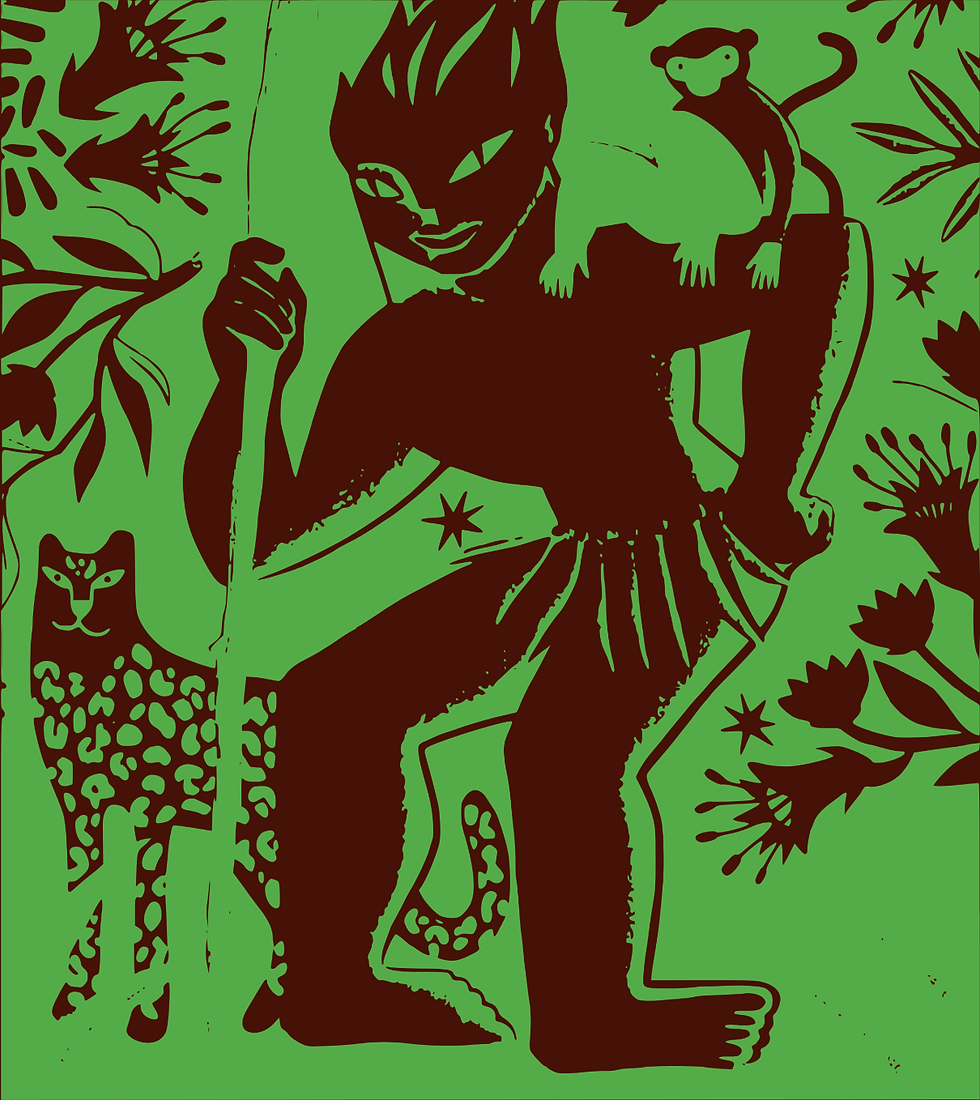


By Mauricio de Sousa
The forest needs people who protect it.
- promote respect for nature
Curupira is one of the most famous guardians of the Brazilian forests. According to the legend, he appears as a small indigenous boy with bright red hair and a very unusual feature: his feet are turned backwards.
Because his feet face the opposite direction, anyone who tries to follow his footprints becomes confused and ends up walking deeper into the forest instead of finding the way out. This trick makes it almost impossible to track him.
Curupira watches over the animals and trees of the forest. When hunters kill more animals than they need or when people cut down trees without respect, he appears to punish those who harm nature.
He is also known for creating strange sounds in the forest. Hunters and travelers often report hearing whistles, screams, or footsteps coming from different directions at once. Some stories say he can imitate animal cries to confuse people or lure them deeper into the woods. In other tales, the knocking sounds heard among the trees are Curupira striking the trunks to test whether they are strong enough to withstand an approaching storm.
Those who disrespect the forest may be forced to wander endlessly through the woods, unable to find the path home. Sometimes Curupira leads them in circles until they are exhausted and frightened, teaching them a lesson about respecting nature.
Because of this, Curupira is remembered throughout Brazil as the mysterious protector of the forest, feared by hunters and woodcutters who take more from nature than they should.
legend and origins
bottom of page